


These reflections are a result of more than 40 years of ministry as a Roman Catholic priest. Most of these years I spent in the Diocese of Charlotte which covers Western North Carolina. Now I am retired, and live in Medellín, Colombia where I continue to serve as a priest in the Archdiocese of Medellín.
Do to others whatever you would have them do to you.
This is the Law and the Prophets. (Mt 7:6,12-14)
I remember the 3rd grade class at Sacred Heart School in Salisbury acting out the story of the writing of the gospels. One kid asked, “What did Jesus say? “Do unto others then they will do unto you?” Another kid answered, “No, Jesus said, “Do unto others before they do unto you.” But still a third kid said, “No, Jesus said, “Do to others whatever you would have them do to you.” I’m not sure exactly how the gospel writers remembered everything that Jesus said and did . . . but I’m sure glad they got it right!
The Lord said to Abram: Go forth from your land, your relatives, and from your father’s house to a land that I will show you. I will make of you a great nation, and I will bless you; I will make your name great, so that you will be a blessing. I will bless those who bless you and curse those who curse you. All the families of the earth will find blessing in you. (Gen 12:1-9)
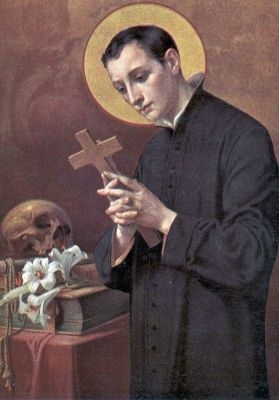
Today we begin reading the great patriarchal history from the Book of Genesis with the Call of Abraham. For good reason Christians, Jews & Moslems, we call Abraham our “Father in Faith.” Today is also the feast of Saint Aloysius Gonzaga, a young Jesuit, who gave his life ministering to the victims of an epidemic.
So whoever is in Christ is a new creation:
the old things have passed away;
behold, new things have come.
(2 Cor 5:14-17)
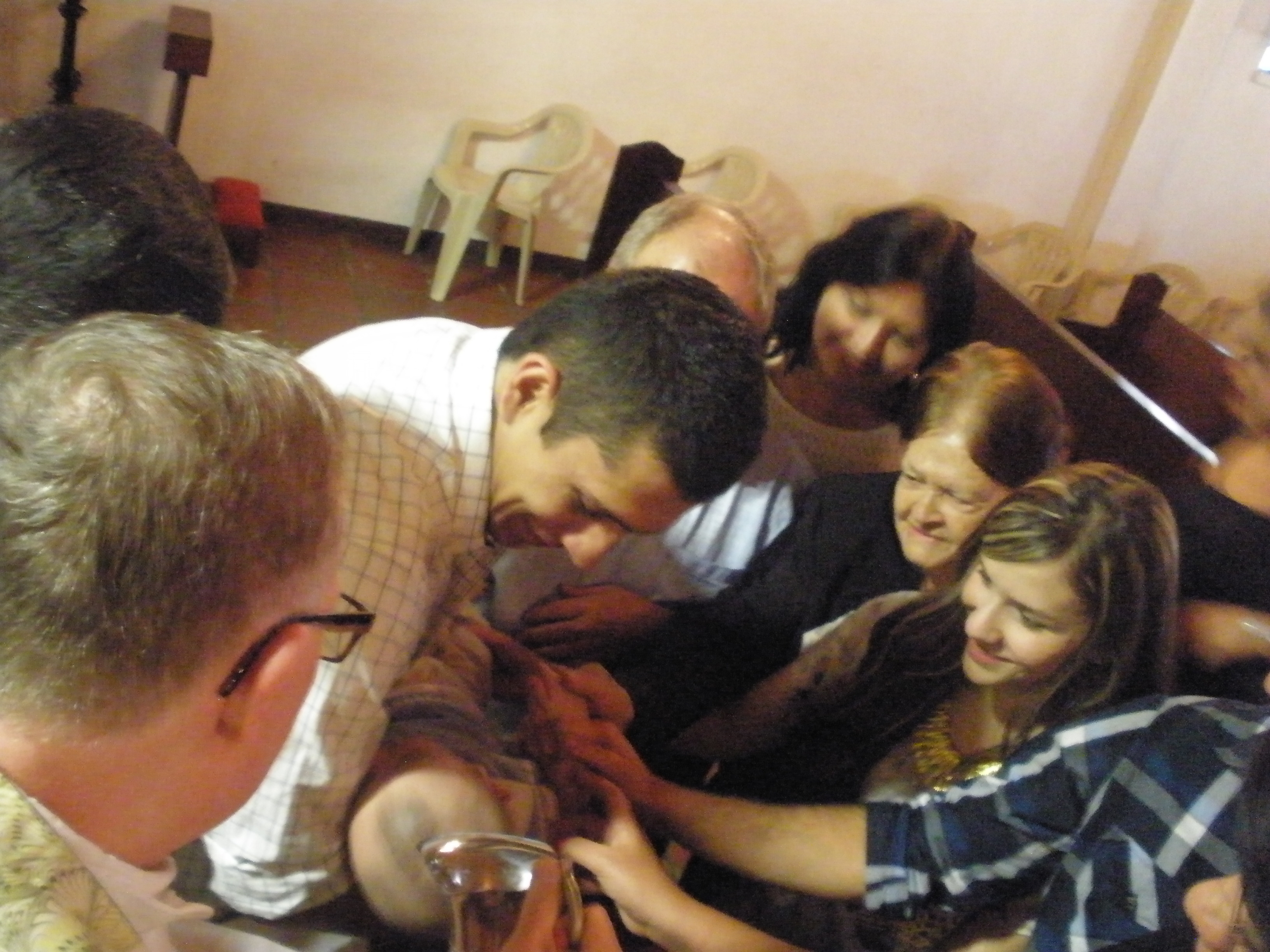
To be in Christ, to be a new creation means everything has changed. That’s how radical our baptism is. As the title of that wonderful little book about folks who have felt excluded from the Christian community says: We Were Baptized, Too. Blessings to all fathers on this special day!
Therefore, that I might not become too elated,
a thorn in the flesh was given to me, an angel of Satan,
to beat me, to keep me from being too elated.
Three times I begged the Lord about this, that it might leave me,
but he said to me, “My grace is sufficient for you,
for power is made perfect in weakness.”
I will rather boast most gladly of my weaknesses,
for when I am weak, then I am strong.
(2 Cor 12:1-10)
Saint Paul’s “thorn in the flesh” has been the subject of much speculation. What it was really makes no difference. That he was content to endure all things for the sake of Christ says it all. As Saint Paul observes: “When I am weak, then I am strong.”

Are they Hebrews? So am I.
Are they children of Israel? So am I.
Are they descendants of Abraham? So am I.
Are they ministers of Christ?
(I am talking like an insane person).
I am still more, with far greater labors,
far more imprisonments, far worse beatings,
and numerous brushes with death. If I must boast, I will boast of the things that show my weakness.
(2 Cor 11:18,21-30)
Paul has to defend himself from the attacks of the “super apostles.” Of all the challenges facing Saint Paul this had to be the hardest—attacks from fellow Christians, from fellow apostles, all in the name of God.
