


These reflections are a result of more than 40 years of ministry as a Roman Catholic priest. Most of these years I spent in the Diocese of Charlotte which covers Western North Carolina. Now I am retired, and live in Medellín, Colombia where I continue to serve as a priest in the Archdiocese of Medellín.
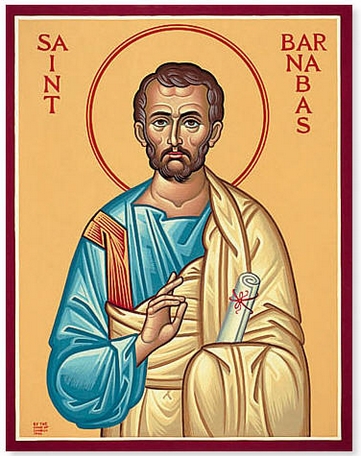
Now there were in the Church at Antioch prophets and teachers: Barnabas, Symeon who was called Niger, Lucius of Cyrene, Manaen who was a close friend of Herod the tetrarch, and Saul. While they were worshiping the Lord and fasting, the Holy Spirit said, “Set apart for me Barnabas and Saul for the work to which I have called them.” Then, completing their fasting and prayer, they laid hands on them and sent them off. (Acts 13:1-3)
It’s always good to remember that the group called “apostles” is larger than just the Twelve. In fact, it’s only the Lucan gospel that gives us the term “twelve apostles.” As we can see in Antioch the community had prophets and teachers . . . and then two apostles were sent out, Barnabas and Saul (Paul). “Apostle” means “one who is sent off.”
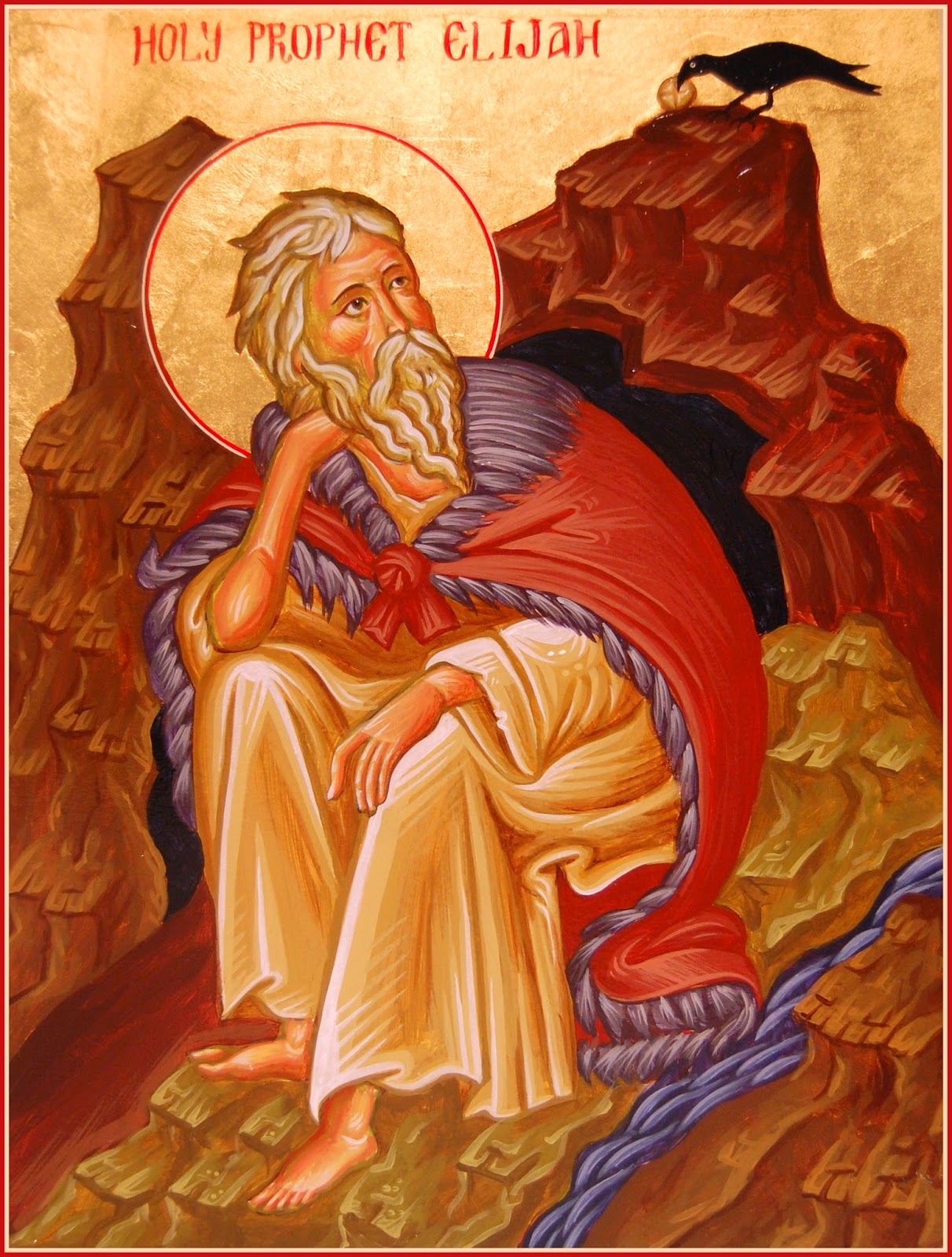
At the time for offering sacrifice, the prophet Elijah came forward and said, “LORD, God of Abraham, Isaac, and Israel, let it be known this day that you are God in Israel and that I am your servant and have done all these things by your command. Answer me, LORD! Answer me, that this people may know that you, LORD, are God and that you have brought them back to their senses.” The LORD’s fire came down and consumed the burnt offering, wood, stones, and dust, and it lapped up the water in the trench. Seeing this, all the people fell prostrate and said, “The LORD is God! The LORD is God!” (1 Kgs 18:36-39)
Every generation seems to have its defining moment (for my mother’s generation it was the attack on Pearl Harbor (December 7, 1941). For others it was the attacks of September 11, 2001). For my generation there were three, and all three were assassinations: President John F Kennedy (November 22, 1963), Martin Luther King (April 4, 1968), and Robert F Kennedy (June 6, 1968). In the Hebrew Scriptures Elijah’s confrontation with the prophets of Baal is one such defining moment. It is also one of the most colorful and bloody stories of the Bible. Fortunately, our lectionary omits most of the gore. The question, of course: "Whom will you serve?" And the people answer: “The LORD is God! The LORD is God!”
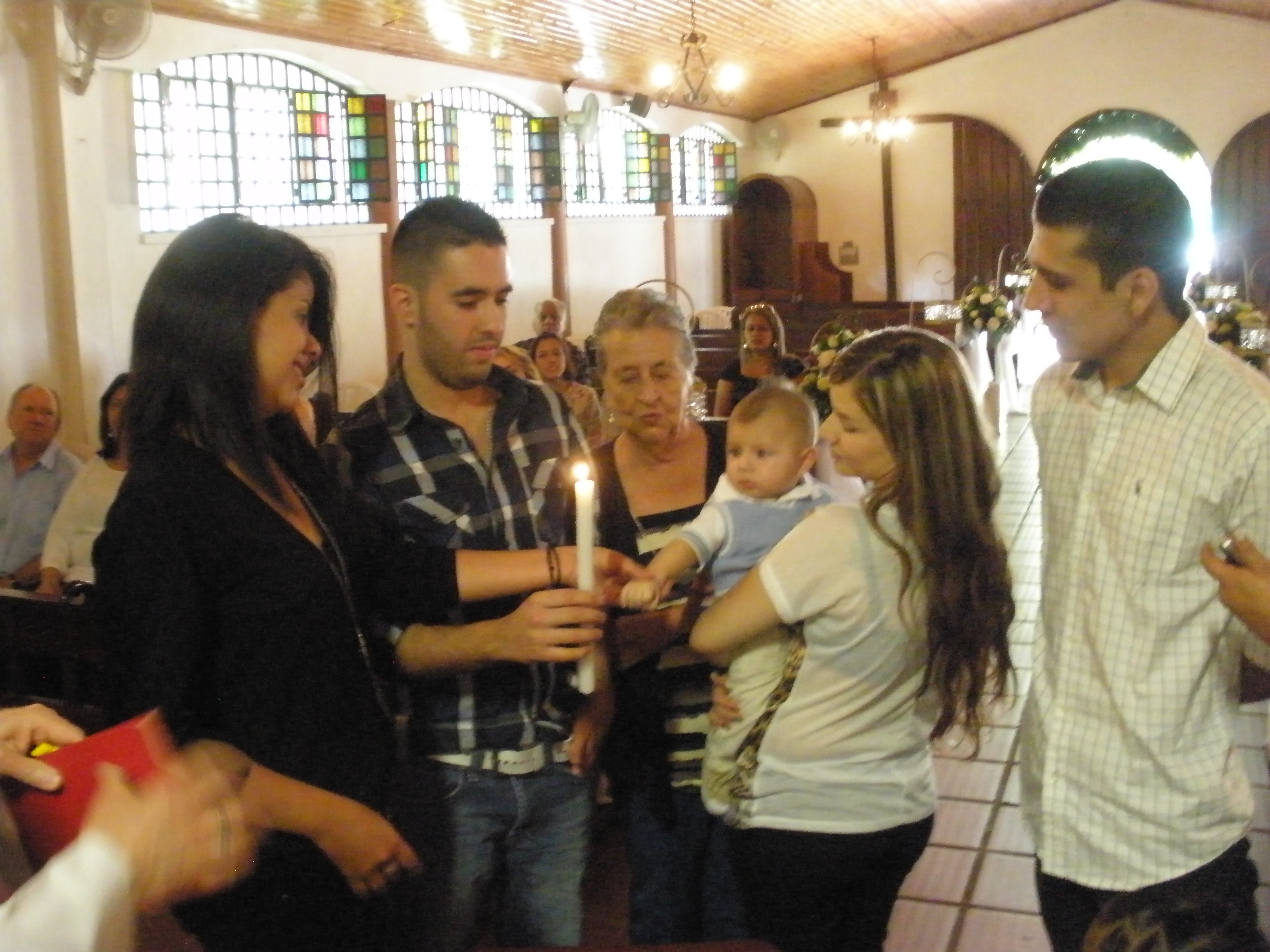
“You are the light of the world. A city set on a mountain cannot be hidden. Nor do they light a lamp and then put it under a bushel basket; it is set on a lampstand, where it gives light to all in the house. Just so, your light must shine before others, that they may see your good deeds and glorify your heavenly Father.” (Mt 5:14-16)
The little songs we learned as children have a way of staying with us throughout our lives. They teach us valuable lessons. It’s always good to remember that our little light can make a world of difference if we just have the courage to let it shine.
♫This little light of mine I'm gonna let it shine This little light of mine I'm gonna let it shine This little light of mine I'm gonna let it shine Let it shine, let it shine, let it shine!♫
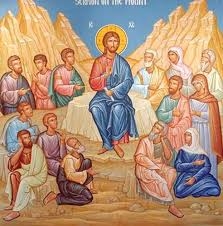
When Jesus saw the crowds, he went up the mountain, and after he had sat down, his disciples came to him. He began to teach them, saying: “Blessed are the poor in spirit, for theirs is the Kingdom of heaven. Blessed are they who mourn, for they will be comforted.” (Mt 5:1-4)
When I was a seminarian at Saint Meinrad, Indiana, there was a celebration of the Byzantine Divine Liturgy once a week. I remember the beautiful Communion chant, the Beatitudes: ♫“Remember us, O Lord, when you are in your kingdom. Blessed are those who are poor in Spirit, for theirs is the Kingdom of Heaven. Blessed are those who mourn, for they shall be comforted. Remember us, O Lord, when you are in your kingdom.”♫
Having come down in a cloud, the LORD stood with Moses there and proclaimed his name, "LORD." Thus the LORD passed before him and cried out, "The LORD, the LORD, a merciful and gracious God, slow to anger and rich in kindness and fidelity." (Ex 34:5-6)
It’s always fun to see the passages of Scripture that the lectionary-makers stitch together for us on the major feast days. The passage from Exodus takes us through the second-giving of the LAW on Mount Sinai. But what is most interesting is not the LAW, but the self-revelation that God makes: “a merciful and gracious God, slow to anger and rich in kindness and fidelity." And good old Saint Paul adds a blessing for us in proper Trinitarian form:
The grace of the Lord Jesus Christ and the love of God and the fellowship of the Holy Spirit be with all of you. (2 Cor 13:13)
Some folks think that the triple Sanctus (Holy, Holy, Holy) is a reference to the Trinity. Unfortunately, it’s not. Hebrew lacked the superlative. So the only way to express “holiest” is to repeat “holy” three times. And so in the vision of Isaiah, the Seraphim praise God singing:
“Holy, holy, holy is the Lord of hosts!
All the earth is filled with his glory!”
