


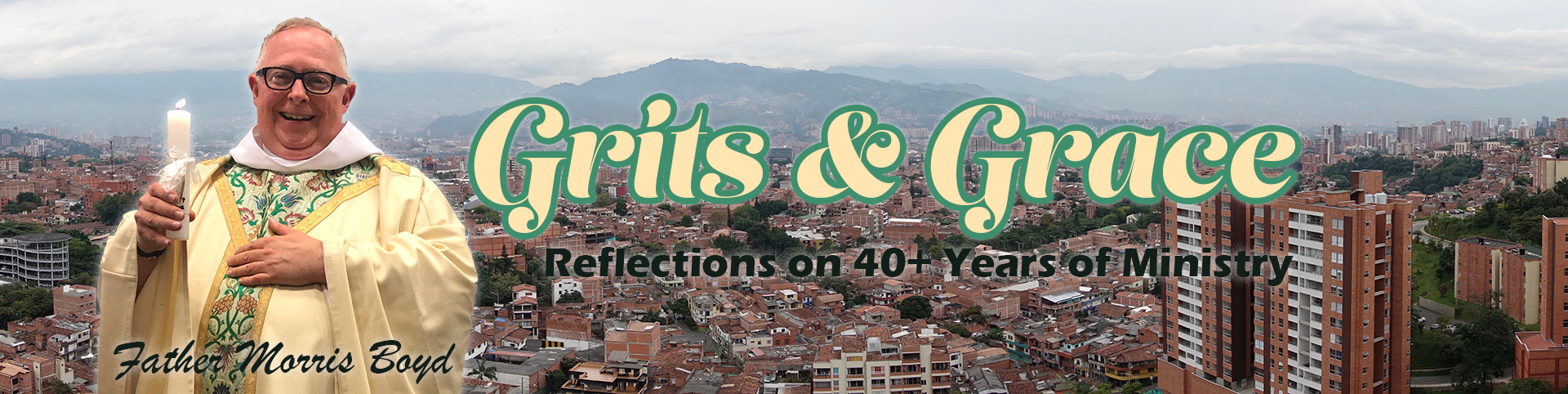
These reflections are a result of more than 40 years of ministry as a Roman Catholic priest. Most of these years I spent in the Diocese of Charlotte which covers Western North Carolina. Now I am retired, and live in Medellín, Colombia where I continue to serve as a priest in the Archdiocese of Medellín.
So they said to Jesus, “Sir, give us this bread always.” Jesus said to them, “I am the bread of life; whoever comes to me will never hunger, and whoever believes in me will never thirst.” (Jn 6:30-35)
https://bible.usccb.org/bible/readings/050625.cfm
Having grown up in the Baptist church, lots of folks have asked me through the years why I became a Catholic and a priest. My answer has always been the same: I found the Lord in the Breaking of the Bread. As we elect a new pope, we ask the Holy Spirit: Send forth your Spirit, and you shall renew the face of the earth. Amen.
Jesus answered them and said, “Do not work for food that perishes but for the food that endures for eternal life, which the Son of Man will give you. For on him the Father, God, has set his seal." So they said to him, "What can we do to accomplish the works of God?" Jesus answered and said to them, "This is the work of God, that you believe in the one he sent." (Jn 6:22-29)
https://bible.usccb.org/bible/readings/050525.cfm
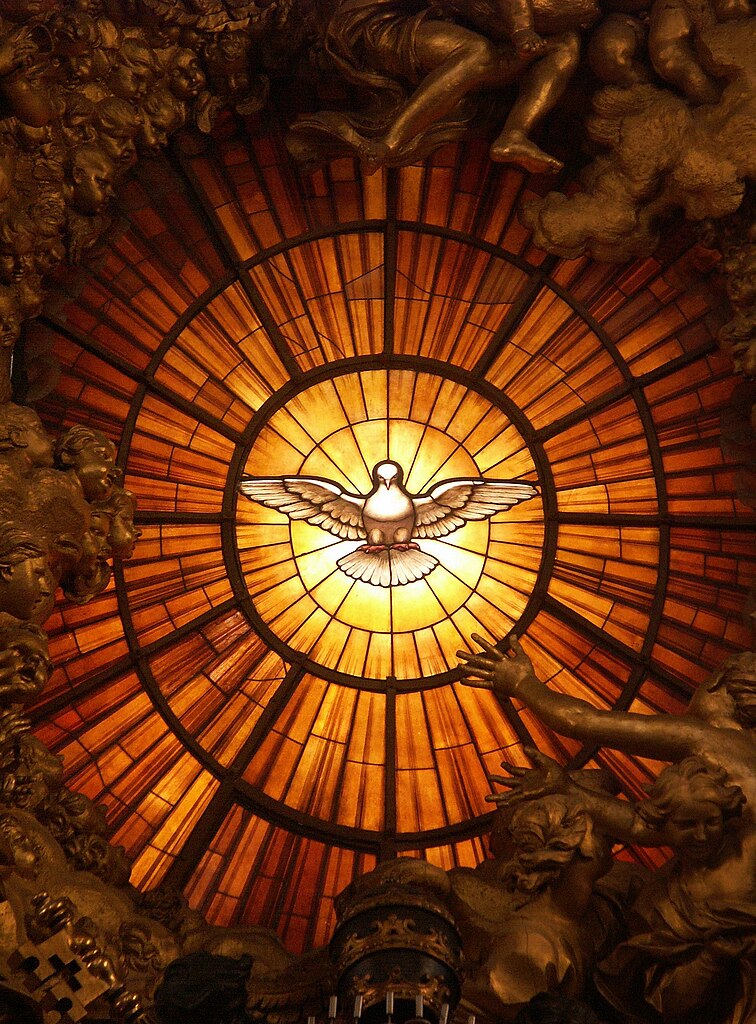
The food that endures for eternal life . . . is the food that satisfies the deepest hungers of the human heart. The Lord reminds us that all are invited to his table, especially those no one else would invite. As the Conclave nears, we ask the Holy Spirit to help us: Come, Holy Spirit, fill the hearts of your faithful and kindle in them the fire of your Love. Amen.
Jesus said to Peter, "Feed my sheep. Amen, amen, I say to you, when you were younger, you used to dress yourself and go where you wanted; but when you grow old, you will stretch out your hands, and someone else will dress you and lead you where you do not want to go." He said this signifying by what kind of death he would glorify God. And when he had said this, he said to him, "Follow me." (Jn 21:1-19)
https://bible.usccb.org/bible/readings/050425.cfm
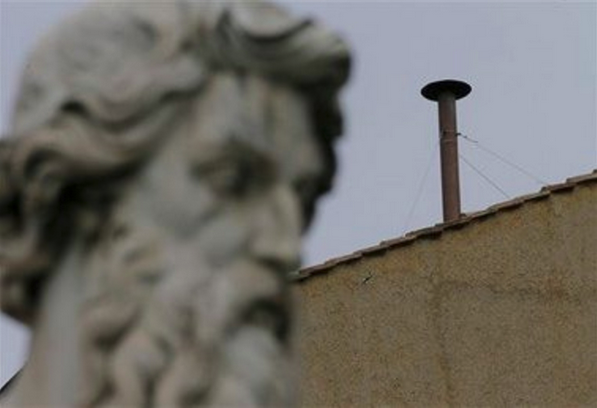
The reference to the martyrdom of Saint Peter signals the fate of approximately the first 30 bishops of the city of Rome. Laying down one’s life for the flock is what the office of pope means, following in the footsteps of Saint Peter and his love for the Lord. As we prepare to choose a successor to Peter, we ask the help of the Holy Spirit. This week all eyes will be on the chimney!
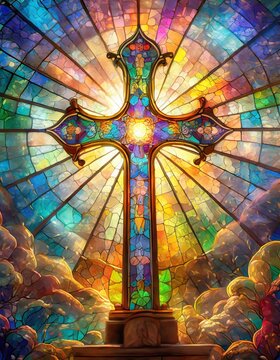
Christ Jesus emptied himself, taking the form of a slave, coming in human likeness; and found human in appearance, he humbled himself, becoming obedient to death, even death on a cross. Because of this, God greatly exalted him and bestowed on him the name that is above every name. (Philippians 2:6-11)
https://bible.usccb.org/bible/readings/091425.cfm
Latin America keeps the feast of the Holy Cross today. As rejoice in our salvation, we continue to ask the Holy Spirit to guide the church in the selection of the new pope.
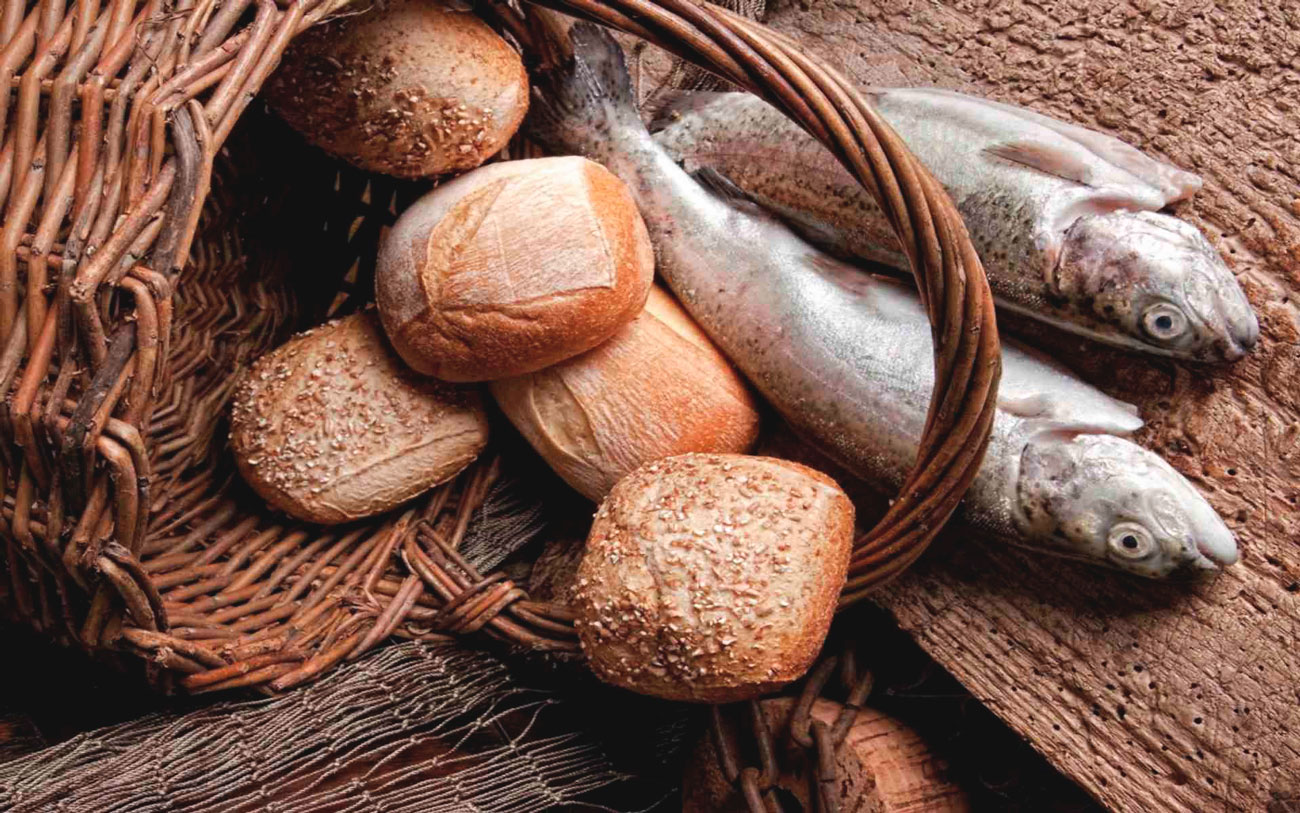
One of his disciples, Andrew, the brother of Simon Peter, said to him, "There is a boy here who has five barley loaves and two fish; but what good are these for so many?" Jesus said, "Have the people recline." Then Jesus took the loaves, gave thanks, and distributed them to those who were reclining, and also as much of the fish as they wanted. When the people saw the sign he had done, they said, "This is truly the Prophet, the one who is to come into the world." (Jn 6:1-15)
https://bible.usccb.org/bible/readings/050225.cfm
How important is that bag lunch that the boy hands over to Jesus. And Jesus works another of his signs. In the Eucharist the Lord takes our bread and wine and gives us the sacrament of his Body and Blood, the sign of his presence among us. Saint Athanasius (296-373) defended the teachings of the Council of Nicea at great cost to himself. We pray that the Spirit will enlighten our minds and our hearts as we choose a new pope.
